
SMT & THT Automation Insights

Articles about full PCB assembly line planning, wave soldering efficiency, auto insertion workflows, and smart EMS factory ROI.

Filter articles
Southern Machinery Auto Insertion Machines for Smart EMS Factory PCB Assembly
Aug 6, 2026

A THT auto insertion machine places tape-packed radial components - capacitors, transistors, LEDs, key switches - into PCBs automatically, then cuts and clinches the leads. This buyer guide covers what the machine is used for, typical applications in power supplies, home appliances, LED lighting, vehicle electronics and general electronics, how it fits a complete SMT/THT line with wave soldering and board handling, the published selection parameters to evaluate, and the labor and quality ROI case for EMS factories. Southern Machinery, Shenzhen, China, founded 2011, serves 237+ global customers with SMT/THT/PCB assembly automation.
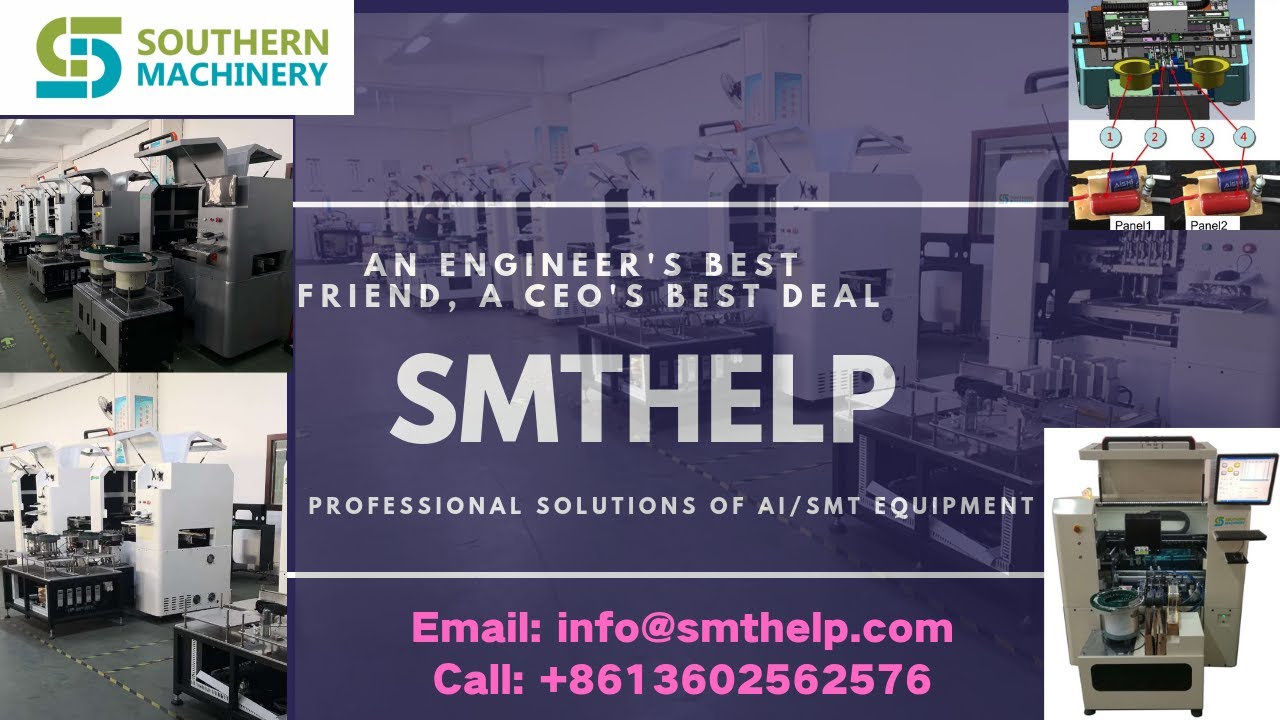
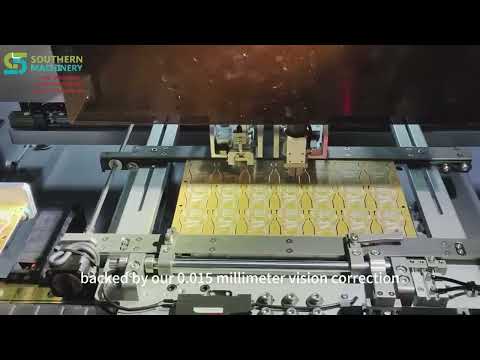
Dual-Head Terminal Insertion Machine by Southern Machinery: Double Speed, Half the Labor

The S7020T dual-head terminal insertion machine delivers 12,000 CPH throughput for power tool, automotive, and home appliance PCB assembly. By doubling insertion heads with independent reel and bowl feeders, the S7020T effectively replaces 6–8 manual insertion stations per line — cutting per-terminal cost by 50% while improving placement accuracy through vision-guided alignment. For EMS providers scaling terminal-heavy boards, a dual-head architecture means one operator, two heads, and zero compromises on throughput.

S-3000 Radial Insertion Machine Selection and Line Integration Guide by Southern Machinery
Aug 6, 2026

For EMS, ODM and high-mix electronics manufacturers, a radial insertion cell should be evaluated as part of the complete THT flow rather than as a standalone machine. This guide explains where the Southern Machinery S-3000 radial insertion machine fits between PCB loading, feeder preparation, downstream soldering and inspection. It outlines the source-listed board range, lead-pitch options, component body range, feeder capacity and utilities that procurement and manufacturing teams should confirm. The objective is practical: reduce manual touchpoints, support consistent placement and create an integration path that can scale with production requirements, subject to final technical confirmation.

Page 14 of 70

WhatsApp