
SMT Splicing Cart & Splicing Tools: How EMS Factories Cut Feeder Downtime at Reel Changeover
SMT splicing carts and tools keep feeders running at reel changeover. Southern Machinery's radial tape splice cutter reduces downtime in EMS PCB assembly.
Sep 2, 2026 · Updated Sep 2, 2026 · Southern Machinery
SMT Splicing Cart & Splicing Tools: How EMS Factories Cut Feeder Downtime at Reel Changeover
When a feeder runs out of tape on an SMT or THT line, the typical reaction is a line stop, a feeder change, and lost production minutes. Southern Machinery's splicing cart and manual splicing tools take a different approach: instead of stopping the line, operators splice the tail of the expiring reel to the head of the next one and let the pick-and-place or insertion machine keep running.
This article explains what SMT splicing carts and splicing tools are used for, where they deliver the biggest payback in an EMS factory, and what to confirm before choosing a splicing setup.
<iframe width="560" height="315" src="https://www.youtube.com/embed/hjwiHn-nHy0" title="SMT Splicing cart and Splicing tools for Smart EMS factory PCB assembly" frameborder="0" allow="accelerometer; autoplay; clipboard-write; encrypted-media; gyroscope; picture-in-picture" allowfullscreen></iframe>
What Is This Machine Used For?
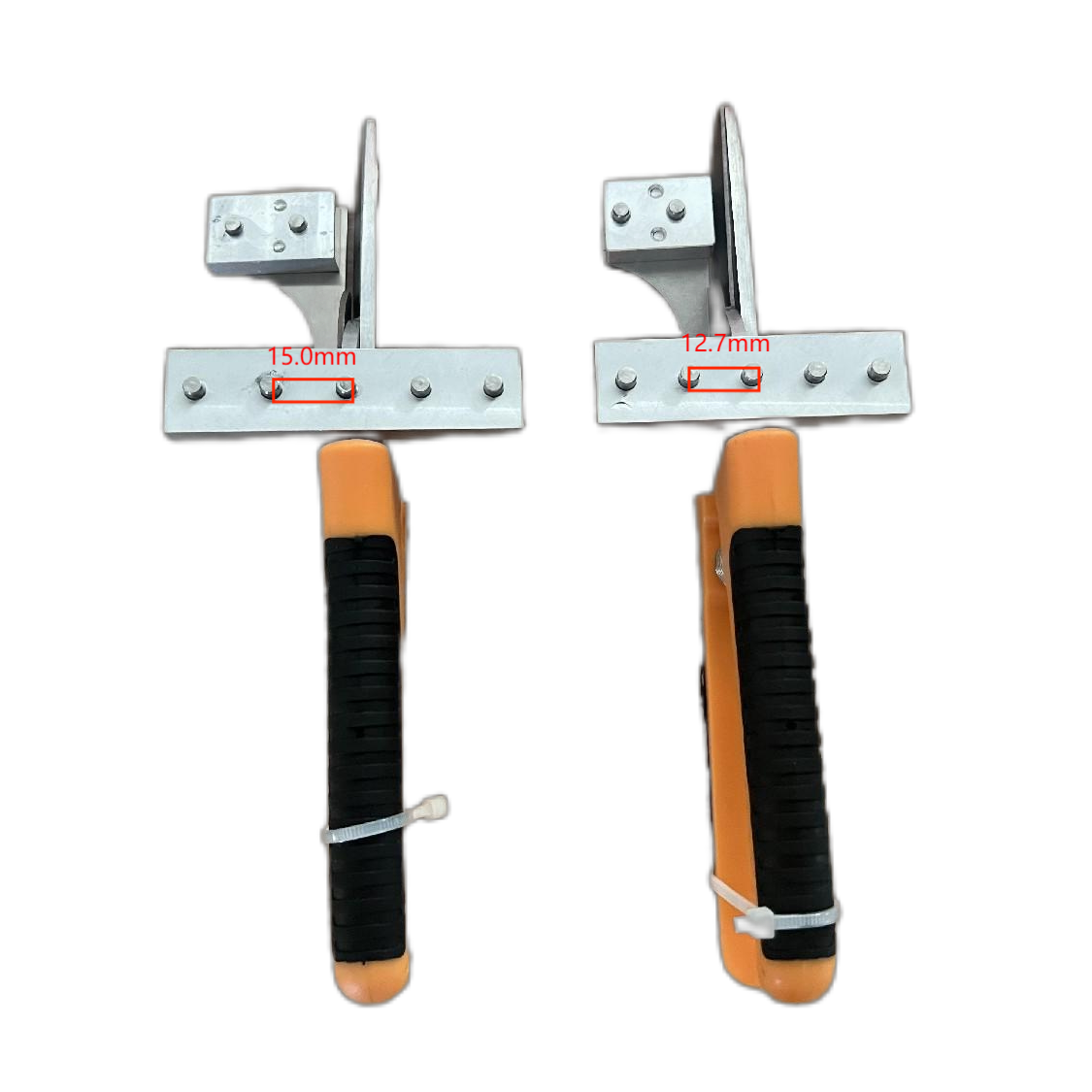
An SMT splicing cart is a mobile workstation that carries the tape, tools, and splice material an operator needs to join component reels at the machine. The splicing tools on the cart — including a radial tape splice cutter for 12.7 mm and 15.0 mm radial component tape — let an operator cut and join tape ends cleanly, so the feeder keeps advancing components without a stop.
The core job is simple: prevent feeder starvation and line stops during reel changeover. When radial component tape breaks or reaches the end of a reel, a controlled splice lets production teams continue feeding compatible material without an unnecessary line stop. The result is predictable production tempo, fewer interruptions, and less rework caused by restarting a line.
Typical Application Scenarios
Splicing carts and tools fit any factory running taped component feeders, and they matter most where changeovers happen frequently:
- EMS factories running mixed, high-mix production with frequent reel changes across many SKUs — every saved minute multiplies across the line.
- Automotive electronics plants with high-volume, long-running lines where an unplanned stop is expensive and quality traceability matters.
- Industrial control and power supply makers running radial and axial component tapes through insertion machines, where a broken or exhausted tape stops a THT station.
- LED lighting and appliance manufacturers with dedicated high-speed lines that must hold tempo through shift changeovers.
- Medical electronics producers who need gentle, controlled handling of sensitive components and complete process documentation.
Manual Splicing vs. Automatic Splicing Machines
Southern Machinery offers both manual and automatic splicing solutions:
- Manual splicing carts and tools — best for lower-volume lines, mixed tape formats, THT radial tape, and factories that want a low-cost, flexible changeover workflow. The radial tape splice cutter (12.7 mm and 15.0 mm) supports controlled manual splices on radial component tape.
- Automatic splicing machines — for high-volume 8 mm tape lines, the S-0808S auto splicing machine performs automatic butt-joining of two 8 mm reels with an approximately 8-second splice cycle and a pass rate above 97%, per its user manual. It is battery-powered (DC 36 V) and can be moved between lines.
The right choice depends on tape format, line volume, and how many operators you can dedicate to changeover. Many factories start with manual splicing carts and add automatic splicing on their highest-volume 8 mm lines.
How It Integrates into a Complete PCB Assembly Line
A splicing station is not a standalone machine — it is part of the material-handling workflow that keeps a full SMT/THT line running:
- Material preparation area — reels are kitted and staged on the cart before the line calls for them.
- At the feeder bank — the operator wheels the cart to the pick-and-place machine or insertion machine, splices the expiring reel to the next reel, and the machine never stops.
- Across the line — the same cart serves multiple lines (two-lines-one-operator is a realistic goal with the right setup), supporting solder paste printing, placement, reflow, wave soldering, and inspection stations.
- ESD-safe factory flow — a tidy splicing station supports 5S, keeps splice tape and leader tape organized, and reduces the manual handling that leads to lost or damaged components.
Southern Machinery supplies the full line — SMT placement, THT insertion, wave soldering, board handling, cleaning, and inspection — plus the material-handling accessories like splicing carts that keep that line moving.
Key Selection Parameters
Confirm these points with Southern Machinery before choosing a splicing setup:
- Tape width, pitch, and hole pattern — the cutter and splice tape must match your actual tape format (e.g., 8 mm, 12.7 mm, 15.0 mm radial tape).
- Component package and lead orientation — radial and axial components have different tape constructions; the splice must not disturb lead alignment.
- Splice tape type and adhesive — compatibility with your feeder and the components' temperature and handling requirements.
- Feeder or insertion machine interface — the spliced joint must pass cleanly through the feeder's drive sprocket and sensors.
- Operator workflow and cart mobility — cart size, ESD properties, storage capacity, and whether one operator can cover multiple lines.
- Line volume and tape format mix — determines whether manual splicing tools or an automatic splicing machine (like the S-0808S for 8 mm tape) is the better investment.
ROI, Quality & Throughput Perspective
The payback of a splicing cart is measured in minutes and defects:
- Less downtime: every avoided line stop during reel changeover directly adds production time. Over a shift with multiple reel changes, the savings compound.
- Faster changeover: a prepared splicing cart means the operator does not walk back and forth to the material area — the material comes to the machine.
- Better quality: a clean, controlled splice avoids the mis-feeds, skipped components, and empty-pocket errors that cause defects and rework after a restart.
- Labor efficiency: with organized carts and simple 10-minute-to-learn workflows, new employees can perform changeovers reliably, reducing reliance on skilled operators.
- Controllable production tempo: splicing makes feeding quality and production pace predictable — exactly what EMS factories need for on-time delivery.
FAQ
Q: What is an SMT splicing cart used for?
A: It is a mobile workstation that carries splice tape, cutting tools, and staged reels so operators can join an expiring component reel to a new one at the feeder — keeping the SMT or THT line running instead of stopping for a reel change.
Q: What tape formats does the radial tape splice cutter support?
A: Southern Machinery presents the radial tape splice cutter for 12.7 mm and 15.0 mm tape applications. Final suitability must be confirmed against your actual tape width, pitch, and hole pattern.
Q: Does splicing work with existing SMT lines?
A: Yes. Splicing tools and carts are feeder-agnostic accessories that integrate with pick-and-place machines, insertion machines, and any feeder bank that advances taped components. Confirm the feeder interface and tape format with Southern Machinery.
Q: Manual splicing tools or an automatic splicing machine — which do I need?
A: Manual splicing carts suit lower-volume or mixed-format lines and THT radial tape. For high-volume 8 mm tape lines, the S-0808S automatic splicing machine offers an approximately 8-second splice cycle with a pass rate above 97% per its user manual.
Q: What industries benefit most from splicing carts?
A: EMS factories, automotive electronics, industrial control, power supply, LED lighting, appliance, and medical electronics manufacturers — any plant running taped component feeders with frequent reel changeovers.
Q: Can I see the machine in operation?
A: Yes. Southern Machinery's YouTube channel shows the splicing cart and tools in real factory conditions, including manual radial splice cutter usage and THT radial tape splicing demos.
Contact Southern Machinery for Configuration Advice
Southern Machinery (founded 2011, Shenzhen, China) designs and manufactures SMT/THT PCB assembly automation equipment and has served 237+ customers worldwide with full-line solutions spanning SMT placement, THT insertion, wave soldering, board handling, cleaning, and inspection — plus high-efficiency, cost-effective material-handling tools like splicing carts.
Contact Jason Wu at jasonwu@smthelp.com for configuration advice on splicing carts, radial tape splice cutters, and automatic splicing machines.
- Product catalog: https://file.autoinsertion.com
- Machine photos: https://ph.smthelp.com
- Website: https://www.smthelp.com
Comments