
SBS-01 Barcode Scanner for SMT Reels: Material Traceability for Smart EMS Factories
Scan and verify SMT component reels with the SBS-01 barcode scanner. Cut wrong-reel defects and build reel-level traceability for smart EMS factories.
Aug 2, 2026 · Updated Aug 2, 2026 · Southern Machinery
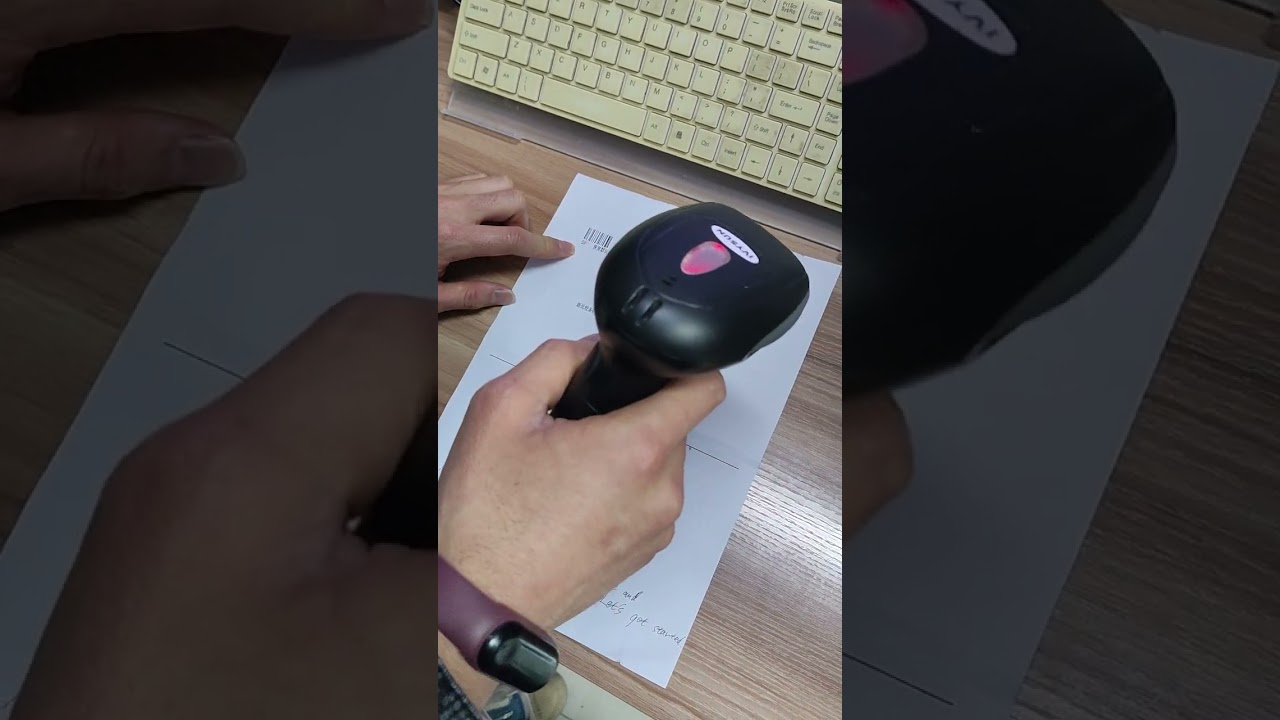
SBS-01 Barcode Scanner for SMT Reels: Material Traceability for Smart EMS Factories
SMT reel barcodes carry the information your material system depends on: part number, lot code, quantity, date code, and supplier. Reading them accurately — at goods-in, in the reel rack, and at the feeder — is what turns a pile of component reels into a traceable, MES-driven material flow. The SBS-01 is Southern Machinery's barcode scanner for SMT component reels, designed for EMS and OEM factories that want to close the loop between physical reels and their ERP/MES records.
Watch the SBS-01 in action: SBS-01 Barcode Scanner for SMT component reels in a Smart EMS factory
What is this machine used for?
The SBS-01 is a barcode scanning station used to identify SMT component reels before they enter production. An operator scans the reel label — typically a 1D or 2D code carrying the component part number, lot, and quantity — and the scanned data is checked against the bill of materials or the warehouse system. The machine verifies that the reel about to be loaded is the correct part, for the correct job, with the correct quantity. It is a practical answer to the most common and most expensive SMT line error: the wrong reel loaded on a feeder, which produces rework or scrap before the placement machine ever stops.
In a typical workflow, the SBS-01 works alongside intelligent reel storage and kitting: reels are scanned on arrival, bound to a storage slot, and scanned again at kitting or line-side loading so every pick is confirmed against the production order.
Typical Application Scenarios
- EMS / contract manufacturing: multiple customers, hundreds of reel SKUs, and frequent changeovers make wrong-part picks the top avoidable defect source. Scanning at kitting removes the guesswork.
- Automotive electronics: component traceability is often a contractual or IATF-style requirement. Reel-level scan records give auditors a clear chain from incoming lot to assembled board.
- Medical electronics: high-reliability assembly benefits from documented lot traceability when a component advisory or recall occurs.
- Industrial control and power electronics: transformer, capacitor, and connector reels with short date-code windows need controlled rotation; scanning confirms the right lot goes to the line first.
- LED and consumer electronics: high-volume, low-margin production where a single wrong reel can wipe out the profit on a whole shift.
How It Integrates into a Complete PCB Assembly Line
The SBS-01 is not a line-side process machine in the pick-and-place sense — it belongs to the material management layer that feeds the line:
- Goods-in / warehouse: reels are scanned and registered into the stock system with lot and quantity.
- Intelligent reel storage: scanned reels are bound to rack positions (as with Southern Machinery's SIS-series intelligent reel racks), enabling light-guided picking.
- Kitting / line-side loading: reels are scanned again before mounting on feeders, verifying the part number against the production order.
- MES / ERP integration: scan events are logged and can be pushed to the factory's MES or ERP for live material status.
Positioned this way, it complements the full SMT/THT line Southern Machinery supplies — stencil printing, pick-and-place, reflow, wave soldering, board handling, and inspection — by making sure the material feeding those machines is correct before a single component is placed.
Key Selection Parameters
Confirm these with your Southern Machinery sales engineer before configuration; the right choice depends on your reel label format and material flow:
- Barcode symbologies supported: confirm which 1D (Code 128, Code 39, EAN/UPC) and 2D (QR, Data Matrix) codes appear on your suppliers' reel labels.
- Scanning method: handheld versus fixed/desktop scanning, and whether hands-free scanning matters for your kitting volume.
- Label placement: top, side, or hub labels affect how the reel is presented to the scanner.
- Interface and data output: how scan data is delivered to your system (USB, serial, network, or direct ERP/MES integration).
- Environment: ESD-safe operation is a requirement in SMT material areas; confirm the unit's suitability for your zone.
- Workflow fit: goods-in only, or kitting and line-side verification as well.
ROI, Quality & Throughput Perspective
The economics of reel verification are simple to model. Wrong-reel placement on a pick-and-place machine is typically discovered only at AOI or reflow exit — by then a full panel has been assembled with the wrong component. Scrapping one panel, plus the rework time and line stoppage, usually costs far more than the scanner itself. Scanning at kitting and line-side loading:
- Cuts defect and rework costs by catching part mismatches before placement, not after soldering.
- Reduces changeover risk in high-mix EMS environments where reel changes happen many times per shift.
- Improves traceability with an electronic record of which reel lot went into which job — valuable for audits and recall response.
- Supports FIFO and date-code control so old stock is consumed before new stock.
- Reduces operator training dependency — verification is done by the system, not by memory.
FAQ
Q: What types of components can the SBS-01 verify?
A: Any component supplied on labeled SMT reels — passives, ICs, connectors, and other tape-fed parts. It reads the reel label, not the component itself, so it works across your whole reel inventory.
Q: Does it integrate with existing SMT lines and MES systems?
A: Yes. The SBS-01 is designed to feed scan data to your existing stock system, ERP, or MES. Your Southern Machinery engineer can confirm the interface that matches your factory setup.
Q: What support does Southern Machinery provide?
A: Southern Machinery (founded 2011 in Shenzhen, China; 237+ global customers) provides configuration advice, spare parts, training, and after-sales support for its SMT/THT equipment — including material management devices like the SBS-01.
Q: Which industries use this equipment?
A: EMS/contract manufacturers, automotive electronics, medical electronics, industrial control, power supply, LED lighting, and general consumer electronics assembly.
Q: How does automated barcode scanning improve quality versus manual reading?
A: Manual reading depends on operator attention and is prone to transposition errors; an automated scan captures the code exactly and verifies it against the order, eliminating the most common source of wrong-reel defects.
Q: Can I see the SBS-01 in operation?
A: Yes — watch the product video on Southern Machinery's YouTube channel, or contact the team for a live demonstration and configuration advice.
Contact Southern Machinery for Configuration Advice
Tell Southern Machinery your reel label format, component mix, and material flow, and get a recommendation for integrating the SBS-01 into your smart factory material system.
- Contact: Jason Wu — jasonwu@smthelp.com | +86 13602562576
- Website: https://www.smthelp.com
- Catalogs: https://file.autoinsertion.com
- Machine photos: https://ph.smthelp.com
Comments