
Custom SMT Nozzle and Gripper Acceptance Testing by Southern Machinery
Custom SMT nozzles and grippers only deliver value when they run reliably on your actual placement machine, with your real feeder, component, PCB, and production program. This guide explains how EMS and OEM engineering t
Jul 3, 2026 · Updated Jul 3, 2026 · Southern Machinery
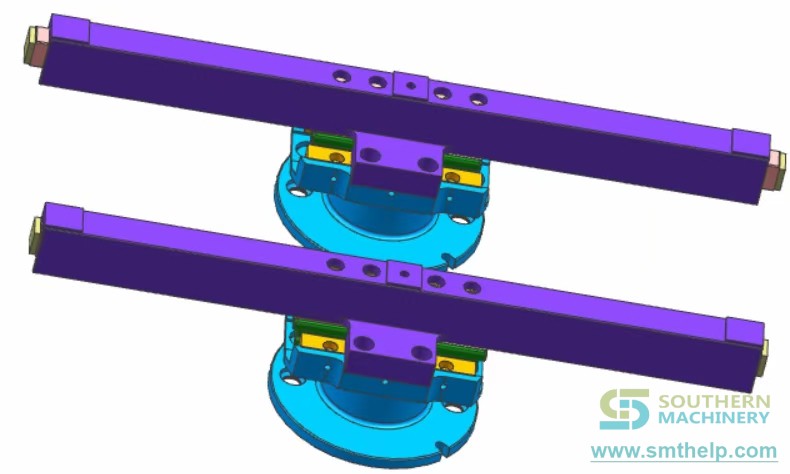
Custom SMT Nozzle and Gripper Acceptance Testing by Southern Machinery
Custom SMT nozzle and gripper projects don’t end when the tool leaves the factory. For EMS, ODM, automotive electronics, medical electronics, and industrial control manufacturers, the real test is simple: can the custom tool pick the actual component, move through the real machine cycle, place repeatedly on the PCB, and release without damage?
This guide is based on Southern Machinery’s acceptance workflow for custom SMT nozzles and grippers. It turns the source acceptance page into a practical engineering checklist for buyers who need a reliable way to approve custom tooling before ramping production.
What Is This Machine Used For?
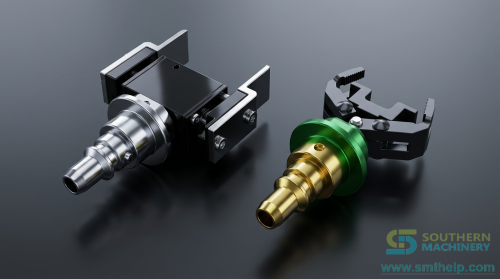
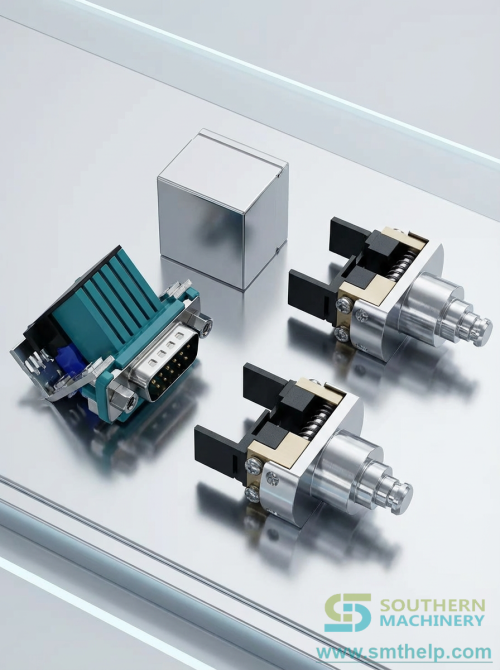
A custom SMT nozzle or gripper is used to automate components that standard pick-and-place nozzles can’t handle well. Typical examples include odd-form components, fragile parts, tall or heavy components, jumper-wire-related tooling, connectors, shields, and other special parts that may shift, stick, tilt, or get damaged during normal vacuum pickup.
The acceptance process confirms that the custom tool works on your target SMT machine and process. It checks physical quality, machine fitment, calibration, dry-run movement, live trial performance, and production feedback before final approval.
Why Acceptance Testing Matters
A custom tool can look correct on a drawing but still fail in production if the component surface, feeder presentation, machine head, vision recognition, or release behavior isn’t stable. That’s why Southern Machinery recommends a structured acceptance workflow instead of relying only on visual inspection.
For a manufacturing engineer, the goal isn’t just to receive a machined part. The goal is to reduce unstable manual handling, protect component quality, and make the tool ready for a complete PCB assembly line.
Step 1: Visual and Dimensional Inspection
When the nozzle or gripper arrives, inspect it before installing it on the SMT machine.
Check these points first:
- Match the part against the approved technical drawing.
- Check critical dimensions and contact surfaces.
- Inspect the surface finish and machining quality.
- Confirm there’s no shipping damage.
- Photograph any visible issue before the first trial.
This step is simple, but it prevents wasted line time. If the tool has a visible defect, document it before calibration or trial production.
Step 2: Machine Fitment and Calibration
Next, mount the custom nozzle or gripper onto the assigned SMT placement machine. The source acceptance workflow highlights two checks: secure fitment and calibration.
Your engineering team should confirm:
- The tool locks correctly into the placement head.
- The machine can recognize the tool during standard setup.
- Offsets are calibrated before running production boards.
- The vision system can identify the relevant tool and component positions.
This is especially important when the custom tool is designed for a specific machine family or placement head. If the fit or offset is wrong, a good mechanical tool can still create placement errors.
Step 3: Dry-Run Pick-and-Place Test
Before adding solder paste or running live PCBs, perform a dry-run pick-and-place cycle.
The dry run should test whether the custom tool can:
- Pick the component from the feeder or presentation position.
- Hold the component during travel.
- Move through the placement path without interference.
- Release the component smoothly.
- Avoid visible component damage.
This stage helps isolate mechanical handling issues before they become soldering or board-quality problems.
Step 4: Controlled Live Production Trial
After dry-run results look stable, run a small controlled production trial using actual PCBs and components. The source page suggests placing a statistically meaningful batch—say, 100 to 500 components—for analysis. Treat this range as an example; the final trial quantity should depend on the component value, risk level, production volume, and customer quality requirements.
During this trial, record the same conditions you expect in real production: feeder setup, machine program, PCB support, placement speed, and inspection method.
Step 5: Performance Data Analysis
The source acceptance page lists several key checks: pickup rate, placement accuracy in X/Y/rotation, and defects such as component damage, shifting, or tombstoning.
For a practical buyer acceptance report, track:
- Pickup stability.
- Component release behavior.
- Placement offset and rotation trend.
- Component damage or marking.
- Feeder-related instability.
- Rework or inspection findings after placement.
The source page mentions a pickup-rate target above 99.9%. Use that only as a project target when it’s agreed in the design proposal and confirmed under the buyer’s real process conditions. Final acceptance criteria should be written before trial production.
Step 6: Final Approval and Feedback
If the trial meets the agreed requirements, the buyer can approve the tool for production. If the result isn’t stable, Southern Machinery recommends documenting the problem with data and images, then feeding it back to the engineering team.
Good feedback should include:
- Component photos and datasheet.
- Machine model and placement head details.
- Feeder or presentation method.
- Trial video if the issue happens during pickup or release.
- Defect photos from AOI, microscope, or visual inspection.
- The exact condition where the failure appears.
This makes revision faster and avoids guesswork.
How It Connects to a Complete PCB Assembly Line
Custom SMT tooling is usually one part of a larger automation improvement. In a complete line, it may connect with:
- SMT loader and board handling conveyors.
- Automatic stencil printer and SPI if solder paste control is critical.
- Pick-and-place machine with the custom nozzle or gripper installed.
- Reflow oven with an approved profile.
- Post-reflow AOI for defect confirmation.
- THT insertion, wave soldering, selective soldering, or inspection if the product uses mixed technology.
Southern Machinery can support not only customized nozzles and grippers, but also SMT equipment, THT automation, wave soldering, board handling, inspection options, spare parts support, and operator training for a complete PCB assembly automation line.
Key Selection Parameters Before Ordering
Before starting a custom nozzle or gripper project, prepare these inputs:
- Component datasheet, 3D model, or clear photos.
- Component size, weight, material, and contact surface.
- Feeder or component presentation method.
- SMT machine brand, model, and placement head.
- Current failure mode—such as poor pickup, sticking, shift, damage, or unstable release.
- Target production volume and quality requirement.
- Whether the tool must support future product variants.
The better the input, the easier it is to design and validate the tool.
ROI, Quality, and Capacity Value
The ROI of a custom SMT nozzle or gripper usually comes from fewer manual operations, more stable placement, less rework, and better use of existing placement equipment. But ROI should be calculated from the buyer’s actual process data: current reject rate, operator time, line stoppage, component cost, and expected volume.
For low-volume or high-mix production, the main value may be flexibility and reduced manual risk. For medium or high-volume lines, the value may come from consistent pickup, faster changeover discipline, and better first-pass yield. Southern Machinery’s role is to help match the custom tool to the real line condition instead of overselling a one-size-fits-all solution.
Why Work With Southern Machinery
Southern Machinery was founded in Shenzhen, China in 2011 and focuses on SMT/THT PCB assembly automation equipment for smart EMS factories. The company serves 237+ global customers and provides cost-effective, high-efficiency solutions across SMT lines, THT insertion, wave soldering, board handling, inspection, custom feeders, nozzles, and grippers.
For overseas buyers, the practical value isn’t just the hardware. It’s also engineering communication, spare parts support, remote guidance, training, and the ability to integrate custom tooling into a wider PCB assembly process.
FAQ
How do I know if I need a custom SMT nozzle or gripper?
If a standard nozzle causes unstable pickup, component sticking, damage, rotation, or poor release, a custom tool may be needed. The decision should be based on your component, feeder method, placement machine, and defect history.
Can acceptance testing be done without a live PCB?
A dry run is useful, but it’s not enough for final approval. The source workflow recommends a controlled live production trial because real PCBs, components, machine programs, and process conditions reveal issues that dry movement alone may miss.
What data should I send if the tool doesn’t pass the first trial?
Send photos, trial video, component data, machine model, feeder setup, defect examples, and a clear description of when the issue happens. This helps the engineering team analyze and revise the solution faster.
Is a 100–500 component trial always required?
No. The source page gives 100–500 placements as an example for analysis. The right trial size depends on production risk, component cost, target quality level, and the agreement between buyer and supplier.
Can Southern Machinery support the full line, not just the nozzle?
Yes. Southern Machinery focuses on SMT/THT automation and can support full PCB assembly line planning, including SMT, THT insertion, wave or selective soldering, board handling, inspection, spare parts, and training.
Can this process apply to existing SMT machines?
Yes, when the machine model, placement head, feeder setup, and component details are confirmed. The custom tool should be designed and accepted for the real machine condition, not just a generic concept.
CTA: Send Your Component Challenge
If your SMT line is struggling with an odd-form, fragile, tall, heavy, or unstable component, send Southern Machinery the component datasheet or photos, machine model, feeder method, and a short description of the problem. Our team can review whether a custom nozzle, gripper, feeder, or broader line solution is the right next step.
Comments