
AI Splice Tape for Radial & Axial Lead Insertion: 3-Hole & 5-Hole Splicing by Southern Machinery
Every time an axial or radial insertion machine runs out of lead tape, the board stops and output drops. AI splice tape from Southern Machinery joins the tail of one component lead tape to the head of the next, so axial and radial inserters keep feeding without gaps. Supplied in three-hole and five-hole formats with a crepe paper base and 300 N/m polyurethane adhesive, it holds under feeder tension, resists heat near the soldering process, and passes through the feeder cleanly. Southern Machinery confirms the correct hole pattern, width and heat rating against your insertion machine models and lead pitch, then supports sample trials, bulk supply and fast replenishment.
Aug 15, 2026 · Updated Aug 15, 2026 · Southern Machinery
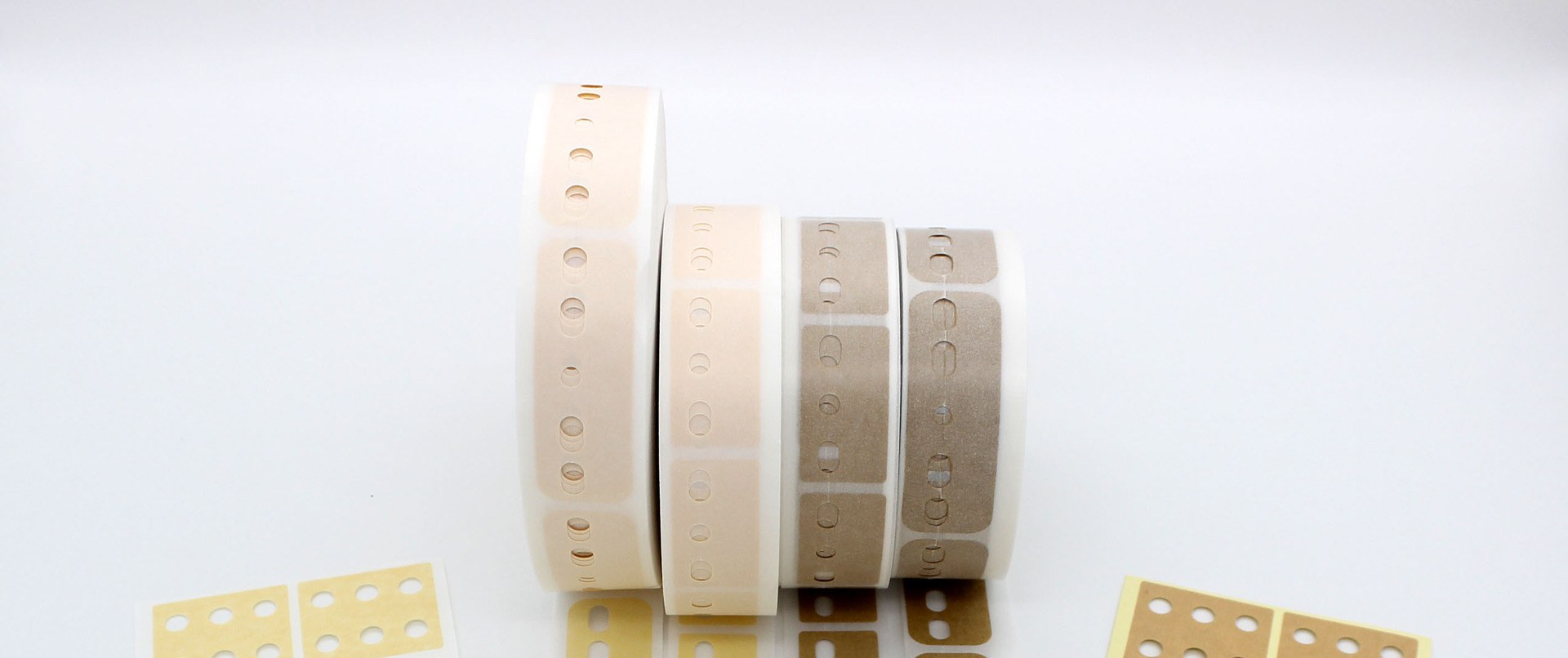
AI splice tape joins the tail of one component lead tape to the head of the next on axial and radial auto-insertion machines, so the insertion head never runs empty and the line keeps feeding. Southern Machinery, the Shenzhen-based SMT/THT PCB assembly automation supplier founded in 2011 and serving 237+ global customers, supplies three-hole and five-hole crepe paper splice tape with 300 N/m polyurethane adhesive, heat-rated options and kiss-cut 60-yard rolls. This guide explains what AI splice tape is used for, how to splice lead tape correctly, and what to confirm before ordering for your insertion machines.
What is AI splice tape used for?
AI splice tape is a line-side consumable used to join the tail of one component lead tape to the head of the next on axial and radial auto-insertion machines. It keeps the lead tape feeding continuously through a reel change, so the insertion head never runs empty and the machine does not stop mid-cycle. In plain terms, it is the splice that keeps axial and radial leads feeding without a gap.
Why a failed splice stops the insertion line
Axial and radial insertion machines consume component lead tape continuously. When the tape runs out or a splice fails, the machine waits and the board stops. The risks accumulate in six areas:
- Insertion line downtime — an empty lead tape stops the machine mid-cycle, and every minute lost multiplies across the shift.
- Missed insertions — a weak splice lets the lead tape gap open, so components miss their insertion station.
- Wrong hole format — three-hole and five-hole machines are not interchangeable; the wrong tape jams the feeder.
- Heat at the joint — a splice that softens near the soldering side can release during the run.
- Adhesive lifting — low-tack tape lifts under tension and lets the splice pull apart mid-feeding.
- Procurement fragmentation — different insertion machines and lead pitches need different tape; sourcing it per machine is slow.
How to splice lead tape in four steps
AI splice tape joins the tail of the running lead tape to the head of the next one so the insertion head never runs empty:
- Prepare the tail of the running lead tape and the head of the new tape.
- Align the three-hole or five-hole pattern and overlap the ends.
- Apply the splice tape and press for full adhesion.
- Continue — the insertion machine keeps feeding with no gap and no missed component.
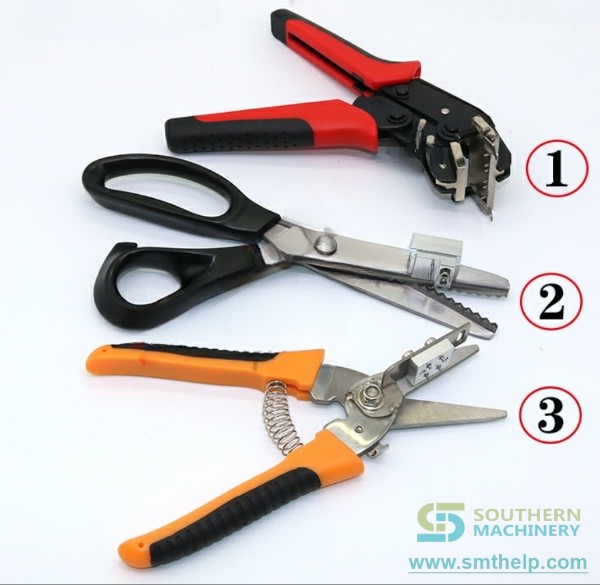
Key specifications for material evaluation
The values below combine the supplier specification and the reference drawing; the final spec is confirmed against your insertion machine and lead pitch (subject to final technical confirmation).
| Parameter | Reference value |
|---|---|
| Base material | Crepe paper (美纹纸) |
| Adhesive | Polyurethane high-tack adhesive, 300 N/m adhesion |
| Thickness | 0.15–0.5 mm depending on type |
| Width | 22.5 mm / 30 mm reference; other widths available |
| Hole format | Three-hole and five-hole for axial and radial insertion machines |
| Temperature range | 0–70 °C reference; short-term 150 °C / long-term 100 °C on the heat-rated type |
| Reference drawing | SPLICING TAPE RADIAL LEAD, Universal Instruments C24782000, material 3M 2364, kiss-cut at 2.75-inch intervals, 60 yards per roll (ASME Y14.5M-1994) |
| Packaging | Rolls per machine family; confirmed per order |
Typical application scenarios
- Axial insertion lines feeding resistors, diodes and jumper wires on axial lead tape.
- Radial insertion lines feeding radial lead components from taped packaging.
- High-mix EMS and ODM plants where frequent reel changes make splice reliability a daily production factor.
- Multi-brand machine fleets that need matched three-hole or five-hole formats per machine family.
How it fits into a complete PCB assembly line
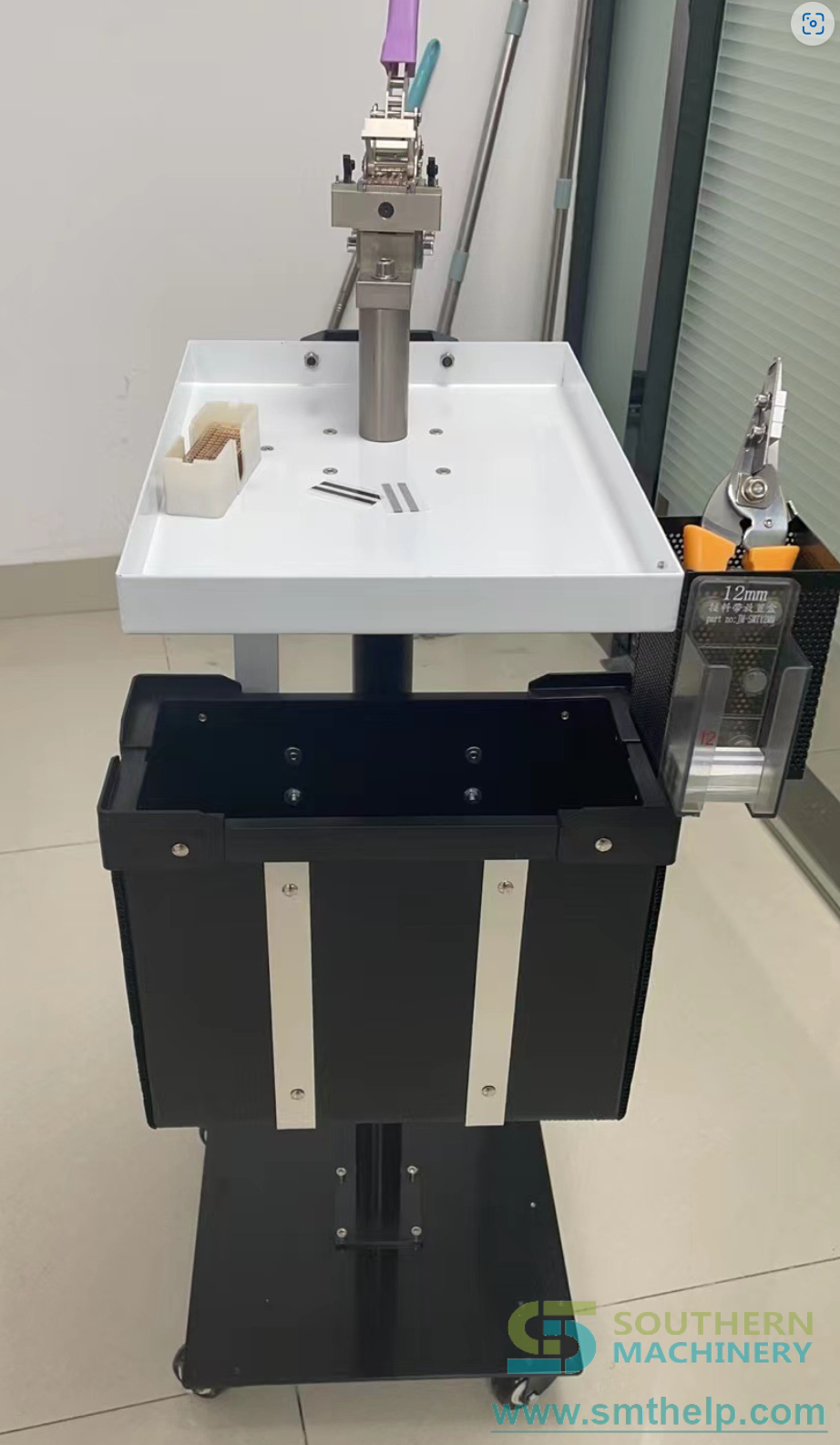
Splicing happens line-side, before the tape enters the insertion feeder. A clean splice keeps axial and radial inserters feeding so the downstream wave soldering, board handling and inspection steps receive a steady flow of fully assembled boards. Southern Machinery supplies the whole chain — SMT lines, THT insertion, wave soldering, board handling and inspection support — plus consumables and tools such as splicing carts and splicing tools, with global service, spare parts support and professional training.
Key selection parameters checklist
Before ordering, confirm the following with the supplier:
- Insertion machine models — axial, radial, or both, and the brand family.
- Lead pitch and hole format — three-hole or five-hole, matched to the machine's lead-tape drive.
- Width — 22.5 mm / 30 mm reference or custom width for your tape.
- Thickness and heat rating — standard 0–70 °C range or the heat-rated type for soldering-side exposure.
- Roll quantity and packaging — packed per machine family for predictable line-side stocking.
Production value: quality, stability and less manual interruption
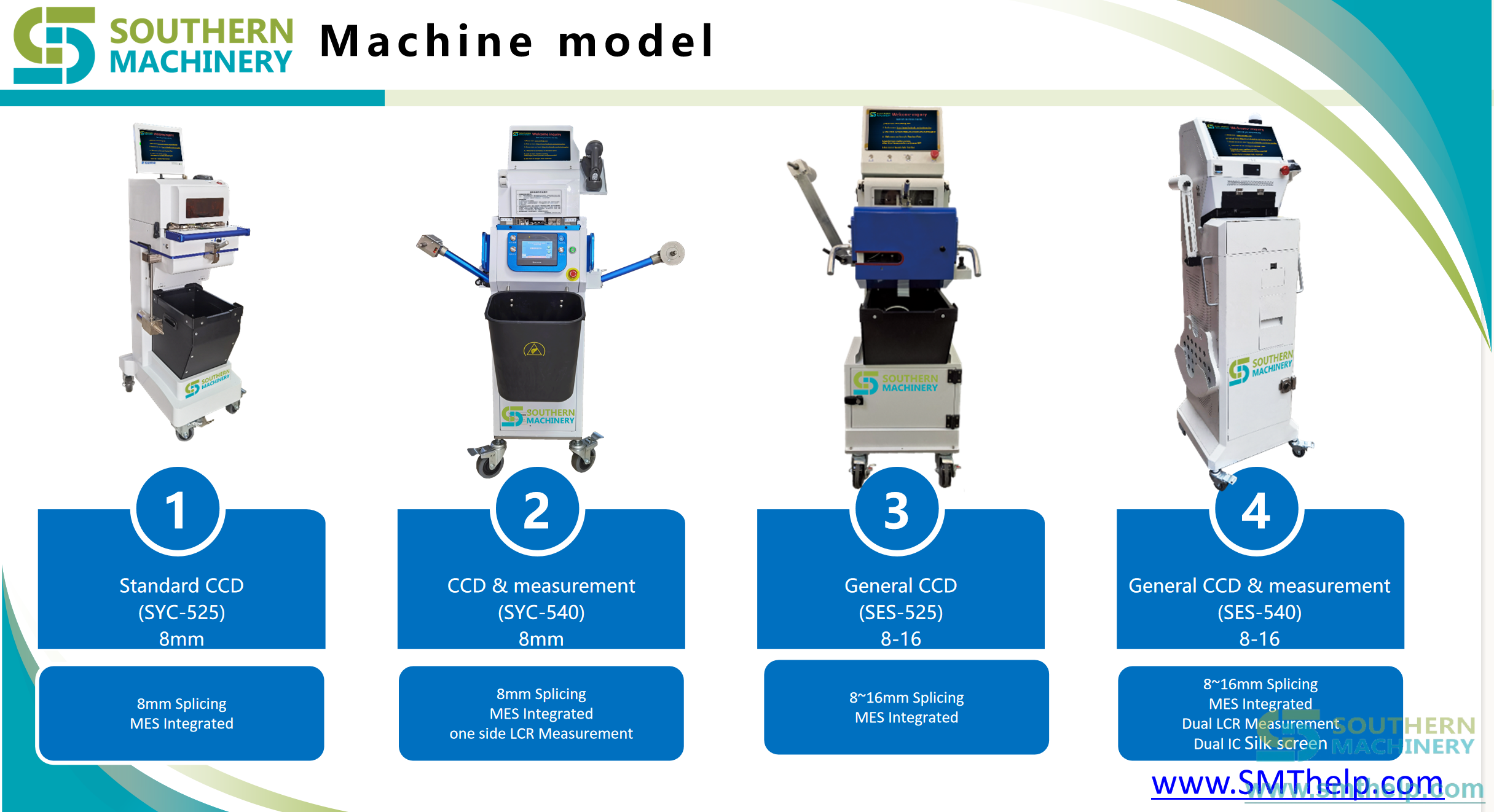
A splice that holds under feeder tension and near the soldering process removes a recurring cause of machine stops and missed components. Less line-side interruption means operators spend less time re-threading tape and more time on changeover and line balance, while joint quality no longer depends on who is doing the splicing. Southern Machinery qualifies every order with a five-step process — format review, spec confirmation within 24 hours, sample trial on your machines, bulk supply and reorder support — so the correct tape is confirmed before volume commitment. Savings estimates depend on shift structure, machine mix and tape consumption, so they are examples only and subject to confirmation.
FAQ
What is AI splice tape used for?
AI splice tape joins the tail of one component lead tape to the head of the next on axial and radial auto-insertion machines. It keeps the lead tape feeding continuously through a change, so the insertion head never runs empty.
What is the difference between three-hole and five-hole tape?
The hole pattern must match the insertion machine's lead-tape drive. Three-hole tape suits one family of machines and five-hole tape suits another. Send the machine model or a sample tape and Southern Machinery confirms the correct format.
What material and adhesive does it use?
The base is crepe paper with a polyurethane high-tack adhesive rated at 300 N/m. Thickness is 0.15–0.5 mm depending on the type, giving a strong, thin splice that passes the feeder.
Can it withstand heat near the soldering process?
Yes. The heat-rated type withstands 150 °C short-term and 100 °C long-term exposure, keeping the splice stable near the soldering side of the line.
Is there a reference drawing for radial lead splice tape?
Yes. The reference is the SPLICING TAPE RADIAL LEAD drawing, Universal Instruments C24782000, material 3M 2364, kiss-cut at 2.75-inch intervals with 60 yards per roll.
How is it packed and how fast can you ship?
Rolls are packed per machine family. Standard formats ship from stock; non-standard widths, hole patterns and heat ratings are confirmed per order with a sample-first process.
Send your insertion machine model for a splice tape spec
Tell Southern Machinery the axial and radial machine models and the lead pitch, or ship a sample tape. The team replies with the matched hole pattern, heat rating and quotation.
- Email: info@smthelp.com
- WhatsApp: +86 136 0256 2576
- Website: https://www.smthelp.com
Southern Machinery Co., Ltd. — founded in Shenzhen, China in 2011, serving 237+ global customers with high-efficiency, cost-effective SMT/THT PCB assembly automation solutions and complete line integration.
Comments